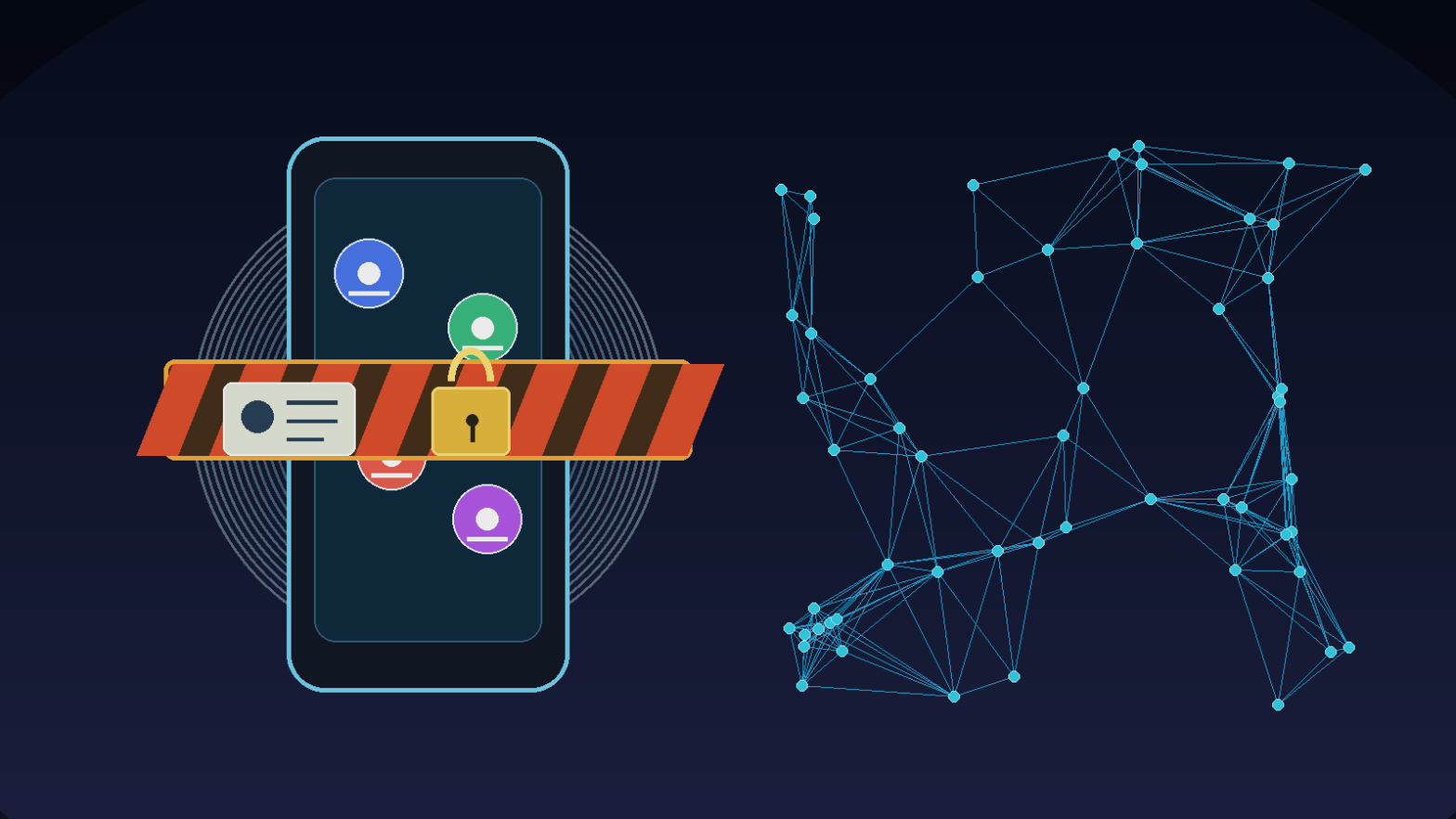
The internet is quietly turning into an ID checkpoint, and most people will not notice until they are standing in front of it.
Not all at once. Not with one giant law that says “anonymous speech is illegal now.” That would be too obvious.
It’s happening through “reasonable” sounding rules.
- Stop robocalls.
- Protect the children.
- Verify users.
- Know your customer.
- Prevent bots.
- Fight fraud.
Every one of those goals sounds good on paper. Nobody likes robocalls. Nobody wants kids exploited online. Nobody wants scam farms running wild.
But the solution governments and platforms keep reaching for is the same every time:
Show ID before you communicate.
That is the line. Once you see it, you can’t unsee it.
We already covered the FCC side of this in detail here: https://thethriftydev.com/blog/fcc-wants-your-id-to-activate-a-phone-privacy-is-dead/
The short version: the FCC is exploring stronger “Know Your Customer” rules for voice providers. In plain English, that means phone companies may be pushed to collect and verify identity information before activating service.
And at the same time, governments in the U.S. and abroad are pushing age verification and identity checks for social media access.
Phones. Social media. Messaging. Online speech.
The walls are moving inward.
So this post is not just another rant about privacy. This is a practical migration guide.
If Facebook, X, Instagram, TikTok, or your cell provider starts demanding more identity than you are willing to hand over, you need somewhere else to go.
That somewhere is decentralized social media.
And for most regular people, the best place to start is Nostr.
What Is Actually Happening?
Let’s separate facts from panic.
Important caveat up front: the FCC has not finalized a universal “show ID for every phone” rule yet. What it has done is move forward with a Further Notice of Proposed Rulemaking called FCC 26-27.
That matters because this is the stage where the agency is asking what the final rule should look like.
And what they are asking about should make every privacy-minded person sit up straight.
The FCC is seeking comment on requiring originating voice providers to collect and retain identity information from new and renewing customers before granting access to service.
That information may include:
- Name
- Physical address
- Government-issued identification number
- Alternate telephone number
- Supporting records, potentially including copies of government-issued ID
For higher-volume customers, the FCC is also asking about collecting intended use of service and IP addresses.
It also asks about prepaid service, postpaid service, third-party prepaid SIM cards, bulk SIM activation, re-verification, suspicious activity triggers, and retaining customer identity records for four years after the relationship ends.
Again: this is being framed as an anti-robocall measure.
But the result could be a world where anonymous or semi-anonymous phone access becomes much harder, especially for prepaid phones and VoIP.
That hits the exact people who often need private communication the most:
- Domestic violence survivors
- Whistleblowers
- Journalists and confidential sources
- Political dissidents
- Protest organizers
- People without stable housing
- People without current ID
- Poor users who rely on prepaid phones
- Ordinary people who simply do not want every communication tool tied to a government identity document
Now put that next to what is happening with social media.
Governments are pushing age verification and ID-based access rules for online platforms. Some are aimed at adult content. Some target social media. Some require parental consent. Some require platforms to verify age or block minors.
The details vary by jurisdiction, but the pattern is the same:
Before you can speak, read, post, follow, organize, or participate, some gatekeeper must decide whether your identity is acceptable.
That is a dangerous direction.
The Constitutional Problem
This is where people need to understand something basic:
Anonymous speech is not some weird internet loophole.
Anonymous speech is part of the American tradition.
The Federalist Papers were written under pseudonyms. Political pamphlets were often anonymous. People have always needed the ability to speak without attaching their legal name to every unpopular idea.
The Electronic Frontier Foundation puts it plainly: the Supreme Court has repeatedly recognized that anonymous speech is protected by the First Amendment. EFF also notes that secure anonymity can be life-saving for whistleblowers, human rights workers, domestic violence survivors, and people facing retaliation.
That is the key point.
Privacy is not just about hiding bad behavior.
Privacy is what lets good people act before powerful people can punish them.
Mandatory ID systems create at least four major constitutional and civil-liberties problems.
1. First Amendment chilling effect
If people have to show government ID before accessing social media, many will not speak at all.
Not because they are criminals.
Because they are afraid.
Afraid of employers. Afraid of abusive partners. Afraid of mobs. Afraid of government lists. Afraid of leaks. Afraid of being punished later when political winds change.
A right you are afraid to use is a right being chilled.
2. Anonymous association
Speech is not just what you post. It is who you follow, who you message, what groups you join, what movements you support, and what communities you quietly learn from.
Identity-gated platforms turn association into a record.
That matters for religious groups, political movements, health communities, addiction recovery, abuse survivors, and anyone exploring ideas that might be socially risky.
3. Overbreadth and vague enforcement
A lot of these laws are written broadly. They do not just target obviously harmful material. They can sweep up general-purpose social media, forums, comment sections, messaging features, and platforms that host lawful speech.
Courts have already blocked some state social media age-verification laws on First Amendment grounds.
That does not mean every ID law will automatically fall. The legal landscape is mixed, especially around adult-content age verification.
But social media is not a dirty magazine behind the counter. It is where people read news, organize communities, debate politics, document police activity, worship, campaign, build businesses, and maintain relationships.
Putting an ID checkpoint in front of that is not a small burden.
4. Privacy and data honeypots
Even if you trust today’s government, do you trust every agency, contractor, platform, carrier, data broker, hacker, and future administration that may touch the data?
Mandatory ID systems create databases.
Databases leak.
Databases get abused.
Databases get subpoenaed.
Databases get sold, copied, breached, correlated, and repurposed.
A phone company collecting ID to stop robocalls today can become a map of dissidents tomorrow.
A social media platform collecting ID for age verification today can become a political targeting database tomorrow.
This is not paranoia. This is what data does. Once collected, it grows legs.
Why Centralized Platforms Are the Wrong Place to Bet Your Future
Facebook and X are easy because everyone is there.
That is also the trap.
Centralized platforms have one login system, one moderation system, one algorithm, one policy department, one legal pressure point, and one kill switch for your account.
If they decide your name is wrong, your ID is insufficient, your post is misinformation, your reach should be throttled, your account should be suspended, or your country should be blocked, you have very little recourse.
You do not own your audience.
You rent access to it.
That rent can be raised at any time.
And when governments start pressuring platforms to require ID, centralized networks are the easiest targets. Regulators do not need to control every user. They only need to control the handful of companies everyone depends on.
That is why the answer is not “find a nicer platform.”
The answer is to move toward protocols.
What Makes Nostr Different?
Nostr stands for “Notes and Other Stuff Transmitted by Relays.”
Ignore the weird acronym for a second. The concept is simple.
Nostr is not one app.
Nostr is a protocol.
That means many different apps can speak the same language, the same way many different email apps can send and receive email.
On X, your account belongs to X.
On Facebook, your account belongs to Facebook.
On Nostr, your identity is a cryptographic key pair:
- Your public key is like your username or address.
- Your private key is the secret that proves you own that identity.
If you use one Nostr app and hate it, you can use another. Your identity moves with you.
That is the magic.
You are not trapped inside one company’s app.
Nostr clients are the apps you use to read and post. Examples include:
Nostr relays are servers that receive, store, and broadcast posts. You can use multiple relays. You can switch relays. Technical users can run their own relay.
This makes Nostr more resilient than a normal social network.
Not perfect. Not magic. Not immune to every attack.
But structurally different.
There is no single company that owns the whole network.
The Most User-Friendly Way to Move From Facebook or X to Nostr
Here is the beginner path I would recommend for normal people.
Not the most hardcore setup. Not the most paranoid setup. The most usable one, because a migration plan people will actually follow beats a perfect plan nobody uses.
Step 1: Create a Nostr identity with a beginner-friendly client
Start with Primal if you want the least friction.
It works on web, iOS, and Android. It feels more like a normal social app than many older Nostr tools.
Download it, create an account, and write down/back up your private key.
This is critical:
If you lose your private key, you lose the account.
If someone steals your private key, they can take over the account.
There is no “forgot password” button for the protocol itself.
Store the private key in a password manager. Do not paste it into random websites. Do not screenshot it and leave it in your camera roll. Treat it like the keys to your house.
Step 2: Set up your profile
Use a recognizable name, photo, and bio if you want people from Facebook/X to find you.
If you need pseudonymity, use a pseudonym from the beginning and do not mix it with your real identity.
Do not make the classic mistake of creating an “anonymous” account and then importing every real-world detail from your public profiles.
Privacy is a system, not a username.
Step 3: Find people to follow
Search for people by name, public key, or Nostr address.
Look for creators who have posted their npub on X.
Use discovery tools and starter lists.
Follow aggressively at first. Nostr gets better when you build your own graph.
Unlike algorithmic platforms, your feed is often more directly shaped by who you follow and which relays your client uses.
That is a feature, not a bug.
Step 4: Post a migration notice on your old platforms
Do not rage-delete Facebook or X on day one.
Use them as bridges.
Post something like:
“I’m moving more of my posting to Nostr because I want social media that is not tied to one company, one algorithm, or one ID checkpoint. You can find me here: [your Nostr npub / profile link]. I’ll still check this account for now, but Nostr is where I’m building long-term.”
Pin it.
Repeat it.
Put your Nostr public key in your bio.
The goal is not dramatic exit. The goal is audience migration.
Step 5: Cross-post for a while
For the first 30-90 days, post on both.
Your old network is the funnel. Nostr is the destination.
When someone replies on Facebook/X, answer there, but also remind them where you are moving.
Make it easy. Most people will not move because of ideology alone. They move because someone they care about is already there and the path is simple.
Step 6: Back up your contacts and key information
Do not rely on any one platform to remember your people for you.
Keep a separate list of:
- Important contacts
- Nostr public keys
- Email addresses
- Websites
- Signal/Session/SimpleX/Matrix handles if applicable
- Emergency contact methods
This is boring until the day it saves you.
Step 7: Learn relays without obsessing over them
At first, let your client handle relays.
Later, learn the basics:
Relays store and broadcast Nostr events. If a relay disappears, posts stored only there may become hard or impossible to retrieve. Using multiple relays gives you more redundancy. Running your own relay gives you more control.
For most beginners, the goal is simple:
Use a good client, connect to several reputable relays, and do not keep your entire social life dependent on one server.
What Nostr Can and Cannot Do If the Internet Gets Shut Down
This part needs honesty.
Nostr normally uses the internet.
If your phone has no data, your home internet is down, and you cannot reach any relays, your normal Nostr app is not going to magically post through the air.
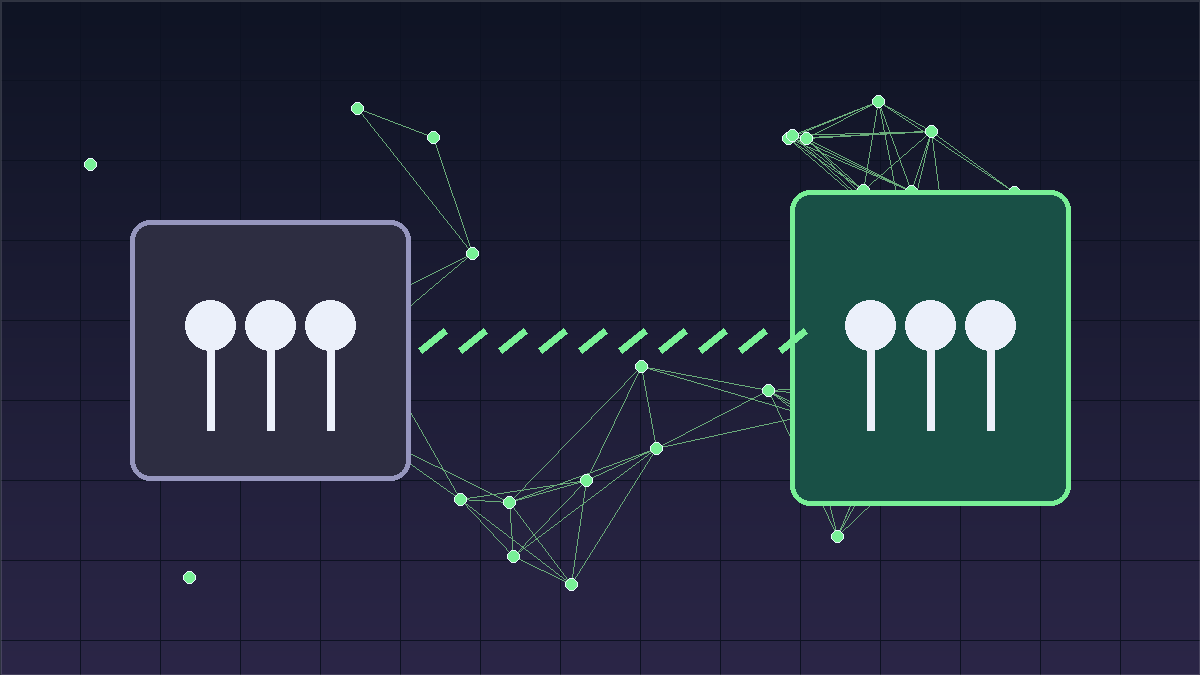
But Nostr still matters for resilience because it removes the single-platform dependency.
If X blocks you, you can still use Nostr.
If one Nostr client disappears, you can use another.
If one relay blocks you, you can use another.
If you run your own relay, you have a stronger anchor for your own speech.
That is resilience at the social-network layer.
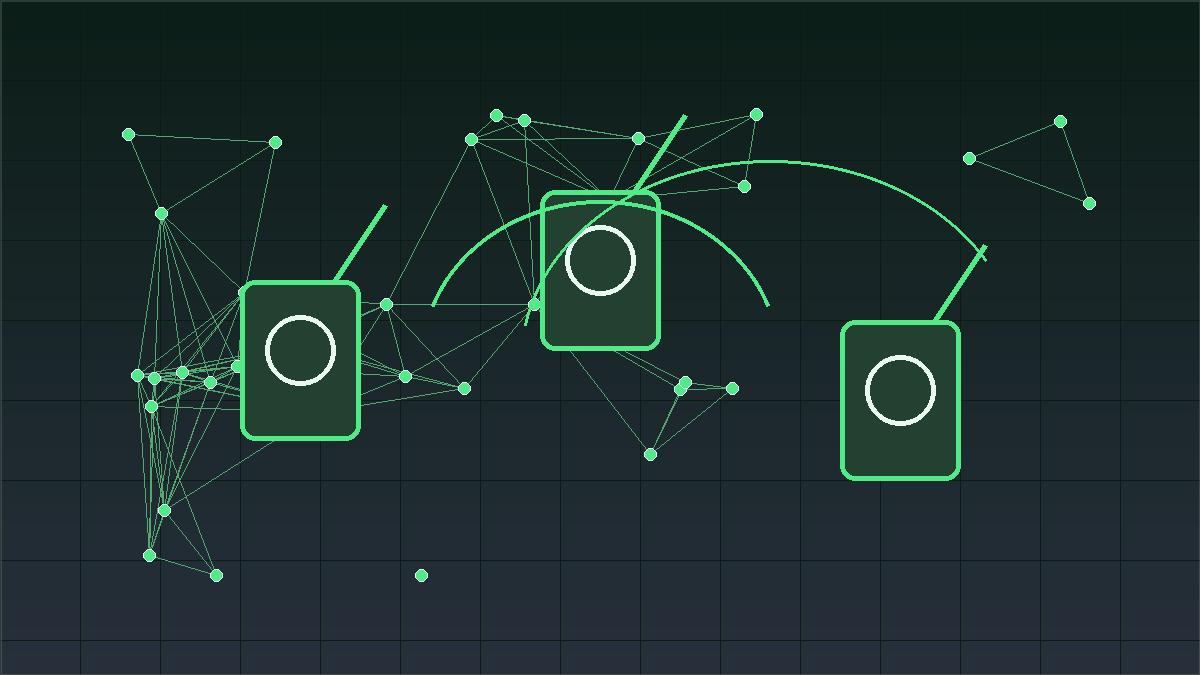
For actual no-cell/no-internet communication, pair Nostr with tools designed for that job.
That means:
- Meshtastic for LoRa-based off-grid text messaging
- Briar for peer-to-peer messaging over Bluetooth, Wi-Fi, or Tor
- Local Wi-Fi networks for neighborhood/community communication
- Ham radio where legal and appropriate
- Printed contact plans and offline meet-up protocols for emergencies
We already wrote a guide to Meshtastic here: https://thethriftydev.com/blog/meshtastic-build-your-own-off-grid-mesh-network/
That is the practical off-grid layer.
There are also experimental bridges that connect Nostr and Meshtastic. One project, Nostrastic, describes a proof-of-concept for publishing Nostr posts and sending/receiving DMs over LoRa using Meshtastic with at least one gateway device connected to the internet/MQTT.
That is cool. It points toward where things can go.
But do not confuse experimental bridging with a guaranteed emergency system.
If you want resilient communications, build a stack:
Nostr for censorship-resistant public social identity.
Meshtastic for local off-grid text.
Briar or SimpleX/Session for private messaging without phone-number dependence.
A password manager for your keys.
A printed contact sheet for when all the apps fail.
That is how you stop depending on one fragile pipe.
The Simple Migration Checklist
If you only do the basics, do this:
- Create a Nostr account with Primal, Damus, or Amethyst.
- Save your Nostr private key in a password manager.
- Set up your profile.
- Follow 50-100 people so your feed is alive.
- Put your Nostr public key/profile link in your X/Facebook bio.
- Pin a migration post on your old accounts.
- Cross-post for 30-90 days.
- Move important conversations to tools that do not require phone numbers, such as Session, SimpleX Chat, or Briar.
- Read the Meshtastic guide and consider buying two devices before you need them.
- Keep an offline copy of critical contacts.
That is it.
This is how you start moving from rented reach to owned reach.
You do not need to become a cryptography expert.
You do not need to self-host everything on day one.
You just need to stop letting one corporation and one government ID system sit between you and your ability to communicate.
Why Move Now?
Because migration is easiest before it is urgent.
When platforms demand ID, it is too late to calmly move your audience.
When your phone number becomes harder to activate privately, it is too late to build alternate contact paths.
When your account is locked, your reach is throttled, or your old platform becomes unusable, it is too late to discover that nobody knows where else to find you.
The time to build parallel systems is while the old ones still work.
That does not mean panic.
It means preparation.
The government may say mandatory ID is about robocalls, fraud, bots, and child safety.
Social media companies may say it is about trust and authenticity.
But your rights do not survive on slogans. They survive in architecture.
If all your speech runs through identity-gated platforms, your speech is permissioned.
If your audience only exists inside corporate apps, your audience is rented.
If your communication depends entirely on phone numbers tied to government ID, your private life is one policy change away from exposure.
So start moving.
Create the Nostr account.
Back up your keys.
Move your people.
Build the parallel network now, while the move is still voluntary and calm instead of forced and chaotic.
Stay free. Stay reachable. Stay hard to shut down.
, TheThriftyDev
Follow the Build on Nostr
If you want to watch the actual dev log instead of algorithm-filtered scraps, follow TheThriftyDev on Nostr too. I’m posting Bleach Unlimited parity updates, open-source build notes, and raw progress there without the usual feed games.
That is the whole point of this migration: own your social graph before the gatekeepers decide who gets to speak, who gets buried, and who has to show papers first.
This isn’t just a US problem either. The EU’s Chat Control regulation is running the same playbook , requiring platforms to scan private messages under the banner of child safety, with the same encryption-breaking consequences for anyone who values private communication.
Sources and Further Reading
- CyberScoop: FCC tightens KYC rules for telecoms
- TheThriftyDev: FCC Wants Your ID to Activate a Phone, Privacy Is Dead
- TheThriftyDev: Meshtastic, Build Your Own Off-Grid Mesh Network
- Electronic Frontier Foundation: Anonymity
- Nostr homepage
- Nostr.how: Get started with Nostr
- Nostr.how: What are Nostr relays?
- Nostrastic proof-of-concept: Nostr over Meshtastic/LoRa
Nostr vs Traditional Social: Quick Comparison
| Feature | Traditional social | Nostr |
|---|---|---|
| Architecture | Centralized platform | Decentralized relays |
| Phone required | Often required or pressured | No phone required by protocol |
| Censorship risk | High platform control | Lower, relay choice matters |
| Data ownership | Platform account owns reach | You own your keys |
Get Started on Nostr in 5 Minutes
- Download Damus on iOS or Amethyst on Android.
- Create a key pair and back up your private key safely.
- Add reliable relays.
- Start posting and follow people by public key or NIP-05 identity.
For off-grid communication, also see the Meshtastic off-grid mesh network guide.
Get the Nostr Starter Checklist
Related Posts
- FCC Wants Your ID to Activate a Phone, Privacy Is Dead
- Meshtastic: Build Your Own Off-Grid Mesh Network
- Private AI Is Becoming the New Developer Edge: Why Venice AI Fits the 2026 Shift
Try it here: Venice AI private chat. If you try Venice through this link, TheThriftyDev may earn a referral benefit.
Keep building from here
These related guides continue the same thread with practical next steps:
- Privacy and Digital Rights Hub
- FCC Wants Your ID to Activate a Phone, Privacy Is Dead
- Meshtastic: Build Your Own Off-Grid Mesh Network
- Google AI Search Privacy: Better Alternatives to Protect Your Searches
- Private AI Is Becoming the New Developer Edge: Why Venice AI Fits the 2026 Shift
- Run Your Own AI: The Beginner’s Guide to Local LLMs in 2026
Read next
The Beginner’s Homelab: What to Buy First, What to Skip
15 min read·Published Sep 29, 2026NostrXFacebookRedditTelegramSMSCopyOn this page▾What a Homelab Actually IsStage One: The First $200Stage Two: Up to $500 TotalStage Three:…
Run a Hermes AI Gateway on an $80 Android Phone (Termux)
0 0 votes Article Rating Part of Sovereign Builder Protocol Why would you run an AI agent on a phone instead of…
Private AI Workflows: Keep Client Secrets Off Someone Else’s GPU
0 0 votes Article Rating Part of AI Tools + Private AI Hub In 2023, two New York lawyers were fined $5,000…