← Back
Mesh Networks
TECHNOLOGY
Purpose: build off-grid communication that survives internet and cell failures.
What is a Mesh Network?
A communication network where each device connects directly to others, without needing a central server or internet. Messages hop from device to device until they reach their destination.
Key properties:
- Decentralized: No single point of failure
- Self-healing: If one node goes down, traffic routes around it
- Offline: Works without internet, cell towers, or infrastructure
- Scalable: More nodes = better coverage
Meshtastic (LoRa Mesh)
Overview
Open-source mesh networking using LoRa (Long Range) radio. Devices text message each other over kilometers without any infrastructure.
Range: 1-5 km urban, 10-20+ km line-of-sight rural. With repeaters on hills, 50+ km.
Power: Devices run days on small battery, indefinitely on solar.
Cost: $30-50 per device
Hardware Options
- Heltec V3: ~$30. Popular, good community support. Built-in screen.
- Lilygo T-Beam: ~$40. Has GPS. Good for tracking.
- Rak WisBlock: ~$50. Modular, very low power, solar-friendly.
- Station G2: ~$80. Purpose-built, outdoor-rated, solar option.
- T-Echo: ~$50. E-ink display, very low power.
Source: Amazon, AliExpress, direct from manufacturers. Meshtastic.org has buying guide.
Setup
- Install Meshtastic app on phone (Android/iOS)
- Connect device via Bluetooth or USB
- Configure region (US, EU, etc. - affects frequency)
- Set your name/node number
- Devices automatically mesh when in range
No license required for LoRa in most countries at low power. Frequencies vary by region - use legal channels.
Use Cases
- Group communication: Hiking, events, emergency response
- Community network: Neighborhood coordination
- Asset tracking: GPS-equipped nodes report location
- Sensor data: Temperature, humidity, etc. from remote sensors
- Emergency backup: When cell networks fail
Network Planning
- Nodes: Every participant is a node. More nodes = stronger network.
- Repeaters: Fixed nodes in good locations (hills, tall buildings) extend range.
- Gateways: Optional connection to internet allows messages to bridge to other networks.
- Channels: Different frequencies for different groups/topics.
Put a repeater on the highest point in your area. One well-placed node can connect an entire community.
Other Mesh Technologies
Briar
Encrypted messaging app that works via Bluetooth and WiFi Direct. No internet needed. Messages hop through intermediate phones.
Pros: Works on existing phones, strong encryption
Cons: Short range (Bluetooth ~10m), requires phones to be near each other
Source: Free app. Briarproject.org
Bridgefy
Mesh messaging via Bluetooth. Works without internet. Used in protests when governments shut down networks.
Note: Not as secure as Briar. Use for non-sensitive communication.
WiFi Mesh
Standard WiFi equipment can create mesh networks:
- OpenWRT routers can mesh together
- Ubiquiti, MikroTik equipment supports mesh protocols
- Community networks (NYC Mesh, guifi.net) provide templates
DIY: Old routers with OpenWRT firmware. Directional antennas for longer links. ~$20-50 per node using used equipment.
Ham Radio
License Required
Amateur radio requires license but provides:
- VHF/UHF: Local communication (2m, 70cm bands). 5-50 mile range with good antenna.
- HF: Long-distance (states, countries). 3-30 MHz bands. Skywave propagation.
- Repeaters: Existing infrastructure extends range.
- Modes: Voice, Morse code, digital modes (FT8, JS8Call, packet radio)
Source: Baofeng UV-5R ($25) covers VHF/UHF. HF radios $200-2000. License exam ~$15.
In emergency, anyone can use any frequency to save lives. But learn and license beforehand.
Digital Modes for Text
- JS8Call: Keyboard-to-keyboard messaging over HF. Works in poor conditions.
- VARA: Fast data over HF. Can send files.
- Packet radio: Older protocol, still works. APRS for position reporting.
Privacy and Security
OpSec for Communications
- Assume everything is monitored: Radio transmissions can be intercepted
- Use codes: Pre-agreed meanings that don't reveal sensitive info
- Direction finding: Radio transmissions can be located. Mobile is harder to find than fixed.
- Encryption: Ham radio cannot legally encrypt. Meshtastic can. Know the rules.
- Minimal transmission: Short messages, essential info only
Building Community Network
Phased Approach
- Start small: 2-3 nodes, test range in your area
- Expand core: Get key people equipped (medical, security, leadership)
- Add repeaters: Strategic high points extend coverage
- Train everyone: Practice using devices before crisis
- Document: Write down frequencies, protocols, backup plans
Protocols
- Check-in schedule: Daily at specific times
- Priority codes: Routine / Urgent / Emergency
- Acknowledgment: Receiver confirms message received
- Relay: If recipient not in range, others relay message
Backup Power
Running Without Grid
- Battery: USB power banks work for days
- Solar: Small panel keeps device running indefinitely
- 12V: Car battery or deep cycle with solar panel
DIY: 5W solar panel + USB power bank = indefinite operation. $20-30 total.
Start now: Order 2-3 Meshtastic devices today. Learn the system before you need it. Give one to a friend a few miles away and test.
QR REASSEMBLY: Scan content QRs in numerical order (1, 2, 3...). Each QR contains text with [N/M] part markers. Concatenate all parts to reconstruct this page. URL QR opens live version.
Scan to open this page:
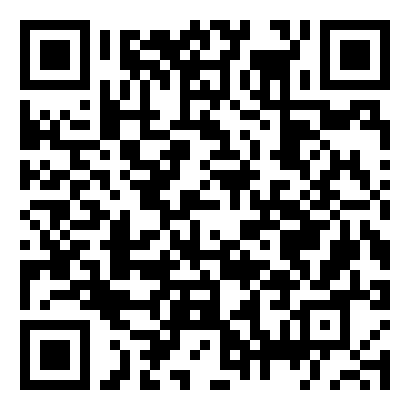
Offline Content QRs
Scan in order to reconstruct full page text offline.